
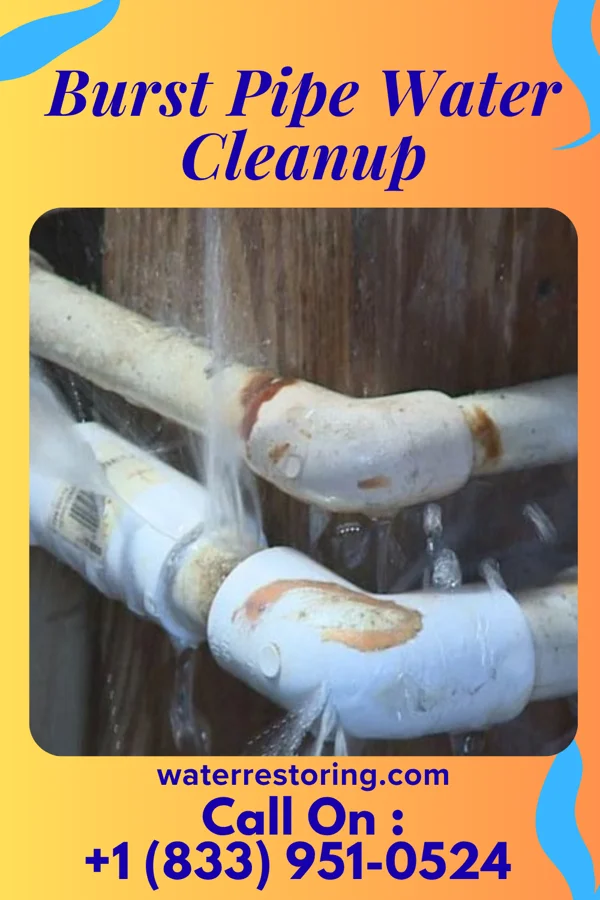
Why Burst Pipes Hit Seaville Hard
The pattern in Seaville is consistent. Seaville, New Jersey, is located in a coastal area with a high risk of pipe bursts due to saltwater intrusion and fluctuating groundwater levels. The proximity to the Atlantic Ocean and frequent heavy rainfall contribute to increased pressure on underground plumbing systems, making burst pipes a common issue in residential and commercial properties. drives most of the emergency restoration calls we get. A close second is The town's older infrastructure, particularly in neighborhoods like Ocean View and Palermo, often includes outdated piping materials that are more prone to failure. Additionally, the seasonal temperature changes in the region can cause expansion and contraction of pipes, leading to cracks and bursts..
Seaville's coastal climate, characterized by high humidity and frequent storms, increases the likelihood of pipe bursts. The combination of saltwater exposure and seasonal weather patterns creates a challenging environment for maintaining reliable plumbing systems.
Seaville's coastal climate, characterized by high humidity and frequent storms, increases the likelihood of pipe bursts. The combination of saltwater exposure and seasonal weather patterns creates a challenging environment for maintaining reliable plumbing systems. The dominant local driver is Seaville, New Jersey, is located in a coastal area with a high risk of pipe bursts due to saltwater intrusion and fluctuating groundwater levels. The proximity to the Atlantic Ocean and frequent heavy rainfall contribute to increased pressure on underground plumbing systems, making burst pipes a common issue in residential and commercial properties., with The town's older infrastructure, particularly in neighborhoods like Ocean View and Palermo, often includes outdated piping materials that are more prone to failure. Additionally, the seasonal temperature changes in the region can cause expansion and contraction of pipes, leading to cracks and bursts. showing up as the next most common cause. Damage builds in stages. Spread. Absorption. Microbial growth. Structural compromise. Every stage you pass through adds to the final bill.
For public guidance on the health effects of mold after prolonged water exposure, see the EPA mold and health page.